Introduction
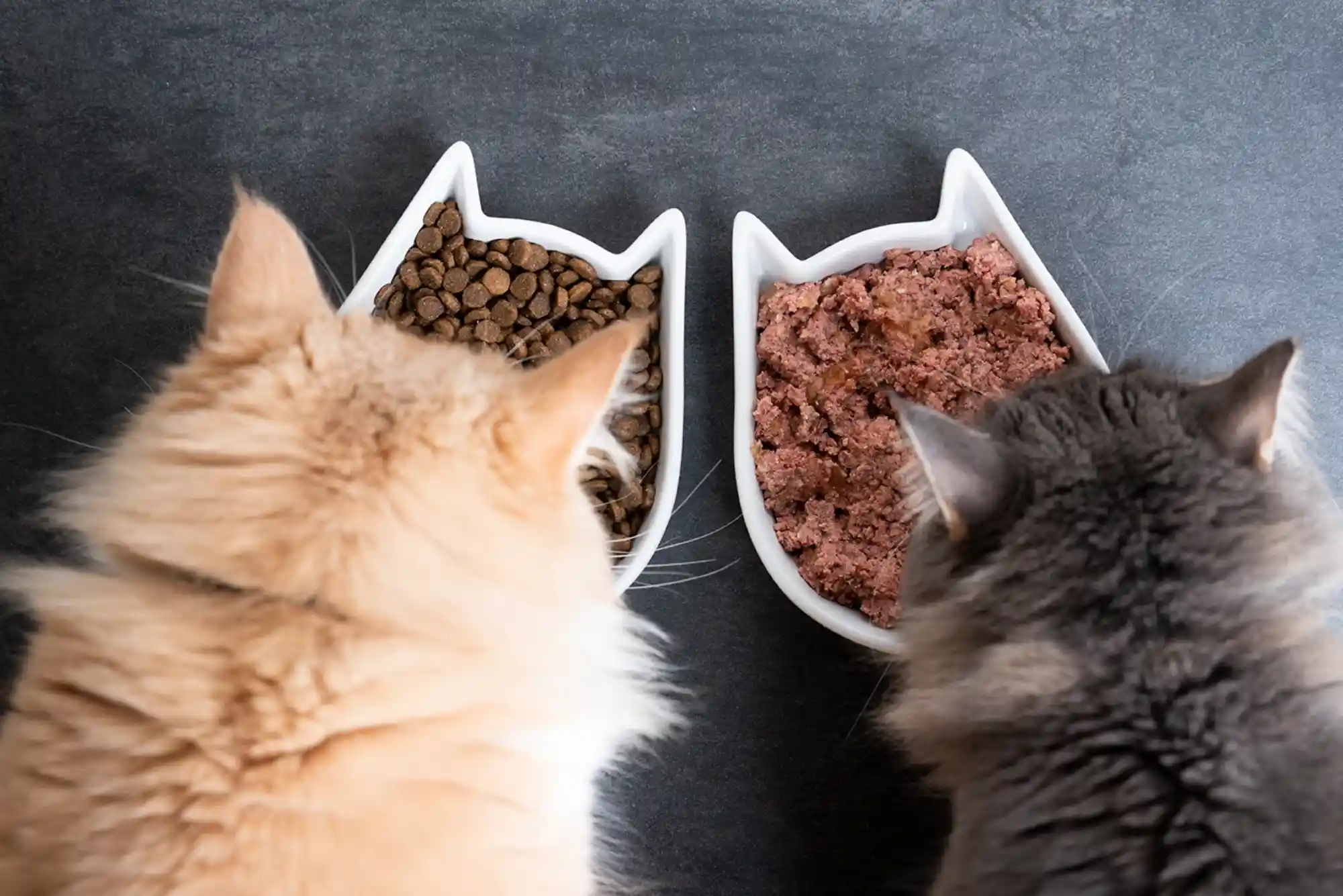
Switching your feline friend’s diet is one of the best decisions you can make for their long-term health. Many cat owners wonder about how to switch cat food from dry kibble to wet food without upset stomach. Cats are notoriously sensitive creatures. Their digestive tracts do not tolerate sudden dietary changes well. If you rush the transition, you might face messy litter box situations or vomiting. Wet food offers superior hydration and higher protein content compared to dry kibble. Proper planning helps your cat adjust safely and happily. Let us explore the step-by-step process of making this dietary upgrade smooth. Your cat deserves optimal nutrition every single day of their life. Taking this proactive step will reward you with a happier and healthier pet.
Why Wet Food Matters for Your Cat
Understanding Feline Hydration Needs
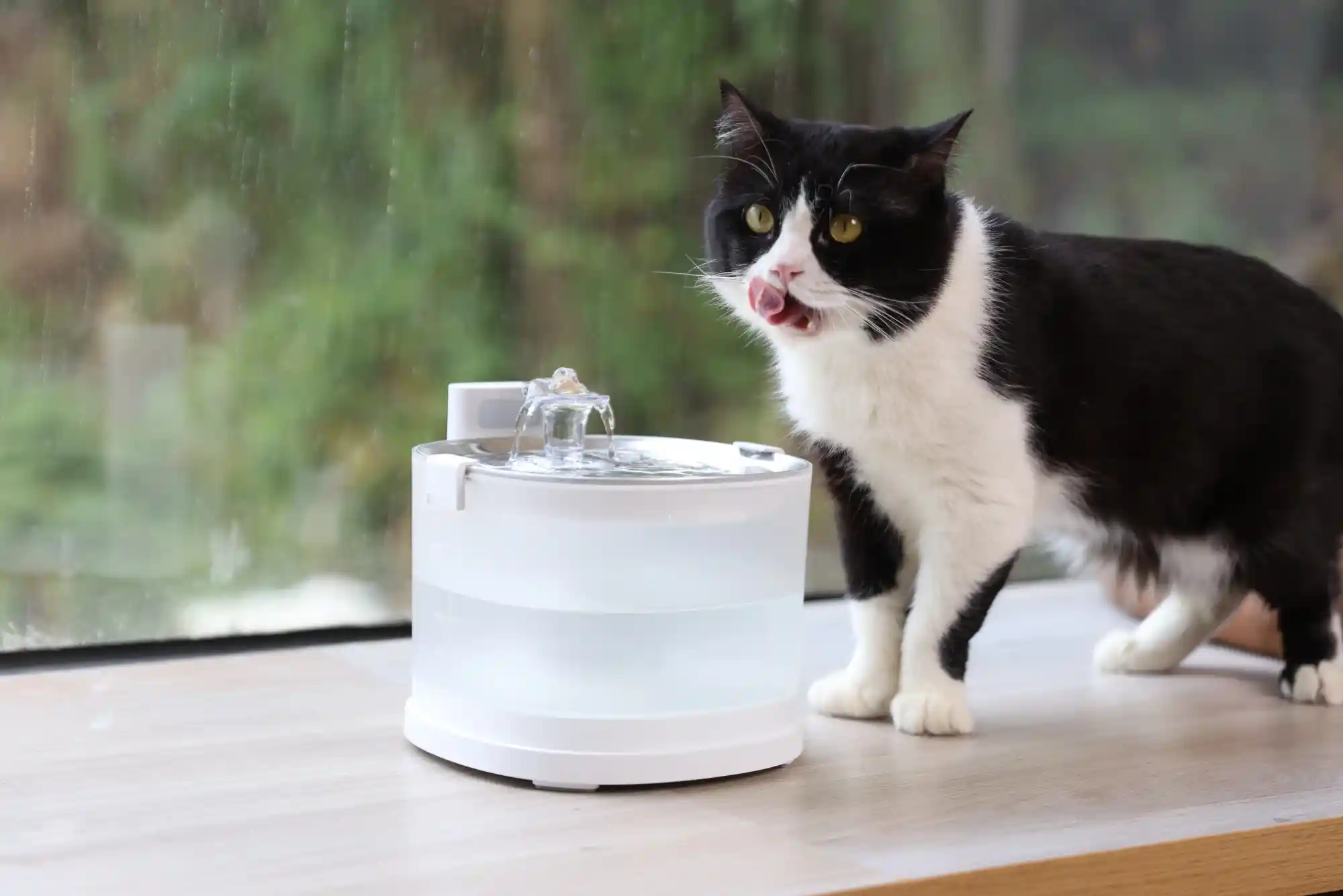
Cats originate from desert ancestors who obtained most of their moisture from prey. Modern house cats often have a low thirst drive. They rarely drink enough water from a bowl. Dry kibble contains only about ten percent moisture. Wet food contains around seventy to eighty percent moisture. Feeding wet food prevents chronic dehydration. This protects your cat against urinary tract infections and kidney disease. Adequate hydration also keeps joints lubricated and boosts overall vitality. Water is the most vital nutrient for every living cell in your cat’s body.
Nutritional Benefits of Canned Diets
Canned diets typically feature high protein and low carbohydrate levels. Dry kibble requires starch to hold its shape during manufacturing. Cats are obligate carnivores. Their bodies thrive on animal protein rather than plant-based fillers. Wet food helps maintain lean muscle mass. It also prevents feline obesity by keeping your cat full longer. Nutrient-dense formulas support healthy skin and a shiny coat. Your cat will experience sustained energy throughout the day. High-protein wet meals support ideal body condition scores as your cat ages.
Common Challenges During Diet Transitions
The Picky Eater Dilemma
Cats form strong texture preferences early in life. If your cat grew up eating crunchy kibble, wet food might seem alien to them. Some cats reject the smell or texture instantly. Patience is your best tool here. Forcing them creates food aversion. You must introduce changes gradually so their senses adapt. Sometimes cats reject new foods simply because the temperature is too cold. Understanding their preferences makes the journey much easier. Building positive associations with wet food transforms mealtime into an exciting event.
Sensitive Stomachs and Digestive Upset
A cat’s gut microbiome adapts to a specific diet over time. Sudden changes shock the digestive system. You might see diarrhea, gas, or vomiting. Knowing how to switch cat food from dry kibble to wet food without upset stomach prevents these unpleasant symptoms. Slow transitions allow beneficial gut bacteria to multiply and adjust. Digestive stability keeps your cat comfortable and keeps your home clean. Protecting your cat’s sensitive tummy builds confidence in the new menu.
Step-by-Step Guide to Switching Food Safely
The Seven to Ten Day Transition Timeline
Never swap bowls overnight. Use a gradual blending method over a week or more. Start with a tiny fraction of wet food mixed into a large portion of dry food. Slowly increase the wet food daily while reducing the dry kibble. If your cat hesitates, slow down the pace. Take two full weeks if necessary. Consistency is the secret to a successful diet swap. Giving your cat enough time ensures zero digestive disruption.

Day One to Three Ratio Breakdown
Begin with seventy-five percent dry kibble and twenty-five percent wet food. Warm the wet food slightly to release aromatic scents. Cats rely heavily on smell to evaluate food. Mixing the two textures thoroughly prevents your cat from eating only the kibble and leaving the wet food behind. Monitor your cat closely during these initial days. Small adjustments now prevent major tummy troubles later. This gentle start builds great momentum.
Day Four to Six Midpoint Adjustment
Move to a fifty-fifty split if your cat tolerates the initial phase well. Monitor their stool consistency daily. Normal stools mean you are on the right track. Soft stools mean you need to pause and drop back to the previous ratio for a few days. Listen to your cat’s digestive system. Patience pays off as your cat accepts the new flavors. Midpoint monitoring guarantees safety and comfort.
Day Seven to Ten Finalizing the Switch
Increase the wet food to seventy-five percent and reduce kibble to twenty-five percent. By day ten or eleven, you can offer one hundred percent wet food. Celebrate this milestone with a fun play session. Your cat is now enjoying a moisture-rich, species-appropriate diet. Their body will thank you with glowing health. Completing this journey brings immense peace of mind.
Tips and Tricks for Reluctant Eaters
Warming the Food for Better Aroma
Cold food straight from the refrigerator lacks appeal. Warm a small plate of wet food in the microwave for a few seconds. Test the temperature on your wrist before serving. Warm food mimics fresh prey temperature and enhances natural aromas. Even stubborn cats often surrender to warmed gourmet canned food. Temperature elevation changes everything for a fussy feline.
Using Meal Toppers and Broths
Make the transition exciting by adding safe flavor boosters. Sprinkle crushed freeze-dried treats over the wet food. Pour a spoonful of low-sodium bone broth designed for pets on top. These enticing additions trick picky eaters into trying the new texture. Flavor enhancers bridge the gap between dry and wet meals. Toppers provide a delicious bridge during difficult days.
Texture Play and Food Consistency
Some cats prefer smooth pates, while others love chunky stews in gravy. Experiment with different brands and textures if your cat turns their nose up. Finding the right consistency makes all the difference in their acceptance rate. Exploring various options keeps mealtime interesting and fun. Texture variety caters to individual feline quirks.
Monitoring Your Cat Health During the Switch
Watching Litter Box Habits
Pay close attention to your cat’s bathroom routine. Increased moisture in wet food often leads to slightly softer or less frequent urine-passing. However, watery diarrhea indicates a transition that is moving too fast. Adjust your proportions accordingly. Healthy bathroom habits confirm that digestion is proceeding smoothly. Litter box checks are your best diagnostic tool.
Checking Energy Levels and Coat Condition
A healthy diet reflects on your cat’s exterior. Watch for bright eyes, playful energy, and a shiny coat. If your cat becomes lethargic or refuses to eat for more than forty-eight hours, consult your veterinarian immediately. Professional guidance ensures your cat remains safe throughout the dietary evolution. Vibrant energy proves the diet is working wonders.
Frequently Asked Questions
How long does it take to switch a cat from dry to wet food
Most cats transition successfully within seven to fourteen days. Picky eaters or cats with sensitive stomachs may require up to four weeks. Never rush the process. Let your cat dictate the comfortable speed.
What should I do if my cat refuses to eat the wet food
Do not starve your cat into eating. Cats can develop a dangerous liver condition called hepatic lipidosis if they fast too long. Mix a crushed favorite treat into the wet food. Try a different protein source like chicken instead of fish.
Is it okay to feed a mix of dry and wet food long term
Yes, mixed feeding offers great flexibility. Many cat owners feed wet food in the morning and evening, leaving a small amount of kibble out during the day. This provides hydration benefits while fitting your daily schedule.
Can sudden food changes cause harm to my cat
Sudden dietary changes cause acute gastroenteritis, vomiting, and severe diarrhea. Gradual blending protects the delicate balance of your cat’s gastrointestinal tract. Always transition slowly.
Conclusion
Switching your cat from dry kibble to wet food requires patience, consistency, and care. Understanding how to switch cat food from dry kibble to wet food without upset stomach ensures a seamless transition. Your cat will enjoy better hydration, improved digestion, and vibrant health. Take it one day at a time and celebrate small victories. Ready to transform your cat’s health today? Start your transition plan and consult your veterinarian for personalized nutrition advice. Your furry friend will love you for it. Taking action now sets the foundation for a wonderful future together.