Introduction
Crate training an older rescue dog with separation fears and phobias requires patience, consistency, and a compassionate approach. Unlike puppies, older rescue dogs may arrive with established habits, unfamiliar experiences, or negative associations with confinement. Some may panic when a door closes, while others become distressed by loud noises, unfamiliar surroundings, or being left alone. For these dogs, a crate can feel frightening rather than comforting.
The good news is that crate training an older rescue dog is possible when you prioritize emotional safety over speed. The goal is not simply to teach your dog to stay inside a crate. It is to help them feel secure enough to relax in their own space, even when everyday situations feel overwhelming.
Successful crate training begins with understanding your dog’s fears, recognizing signs of stress, and introducing new experiences gradually. With the right environment and a reward-based training plan, you can help your rescue dog develop confidence without increasing their anxiety. In some cases, however, a crate may not be the right starting point, particularly when a dog has severe confinement distress.
Understanding Why Older Rescue Dogs Struggle with Crate Training
Before beginning crate training, consider what your dog might be communicating through their behavior. Fearful responses are not necessarily signs of stubbornness or disobedience. They often indicate that the dog does not yet feel safe.
Past Experiences Can Influence Behavior
An older rescue dog may have spent time in a shelter, lived in an unpredictable household, or experienced periods of isolation. Some dogs have also been confined for long hours without adequate exercise or opportunities to relieve themselves.
These experiences can create negative associations with enclosed spaces. A crate door closing might remind a dog of an unpleasant experience, even when the current environment is calm and caring.

Avoid assuming that every rescue dog has experienced trauma. Instead, observe your dog’s individual responses and let their behavior guide your approach.
Separation Anxiety Is Different from Ordinary Nervousness
Separation anxiety involves significant distress when a dog is separated from a particular person or left alone. Common signs include persistent barking, howling, pacing, drooling, destructive behavior, attempts to escape, and toileting despite otherwise reliable habits.
Some dogs become anxious when they notice departure signals, such as keys being picked up or shoes being put on. Others remain calm while their owner is home but panic shortly after the door closes.
Crate training an older rescue dog with separation anxiety will not automatically solve these behaviors. If confinement increases panic, it may make the problem worse. In such cases, gradual separation training and professional guidance are more appropriate than simply increasing crate time.
Recognize Other Phobias and Fear Triggers
Dogs may also fear thunderstorms, fireworks, traffic, unfamiliar people, household appliances, or sudden movements. These fears can interfere with crate training because a dog already feeling overwhelmed may struggle to learn something new.
Identify the situations that cause distress and avoid introducing the crate during a frightening event. Your dog needs an opportunity to explore the space when they are relatively relaxed.
Choosing the Right Crate for Your Rescue Dog
The right crate should feel comfortable, provide enough room to move naturally, and allow your dog to rest without feeling trapped.
Select a Suitable Size and Style
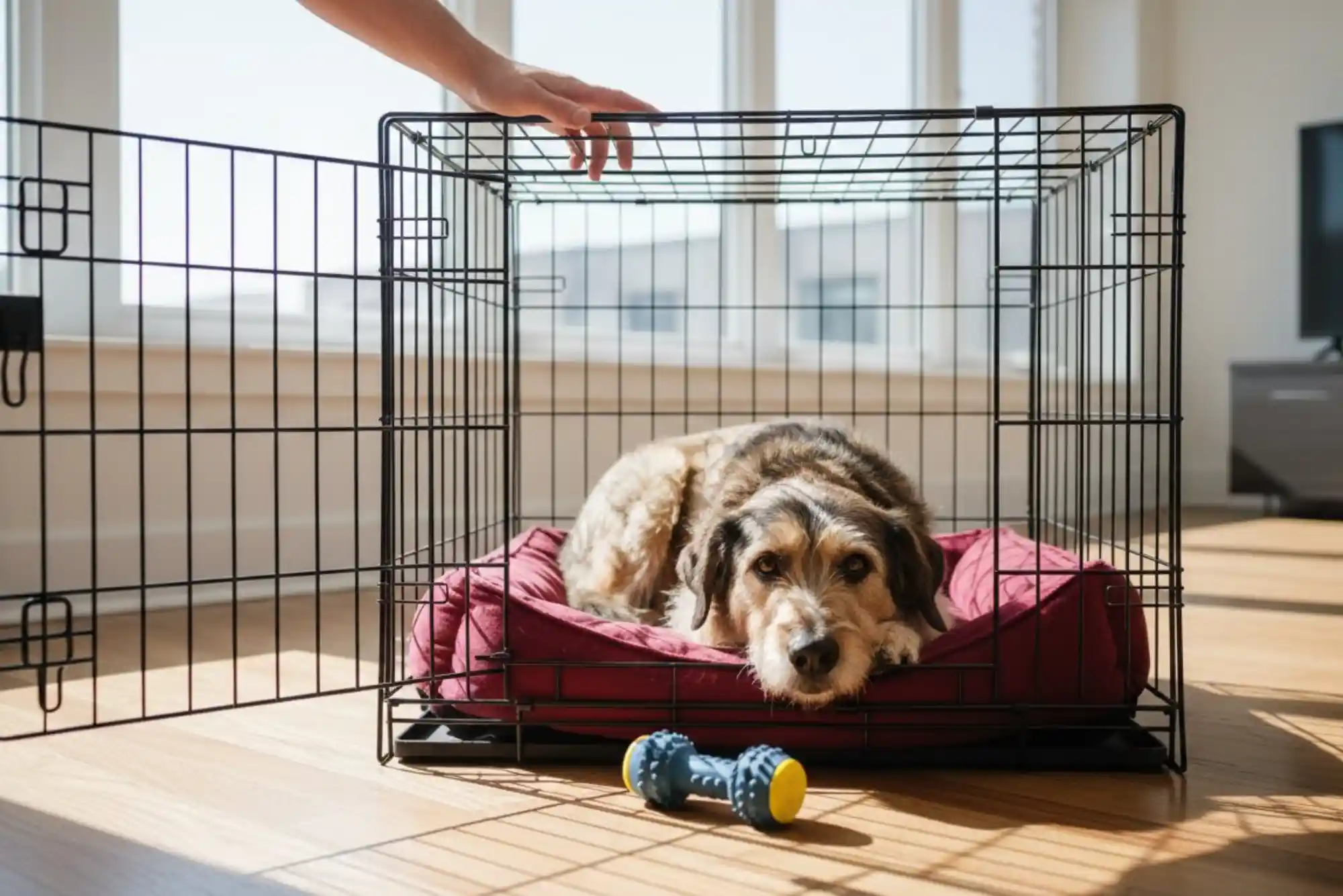
Choose a crate that allows your dog to stand upright, turn around, lie down comfortably, and stretch out. A crate that is too small can cause physical discomfort and increase frustration.
Wire crates provide visibility and airflow, while sturdy plastic crates offer more enclosed surroundings. Some dogs prefer a covered area because it reduces visual stimulation, while others feel safer when they can see their surroundings.
Observe your dog’s preferences before making a decision. If your dog becomes distressed by enclosed spaces, start with an open exercise pen or a comfortable dog-proofed room instead.
Create a Comfortable Resting Area
Place the crate in a quiet, familiar area where your dog can relax without being isolated from the household. For many dogs, a living room or another calm shared space is a better starting point than a remote utility room.
Add comfortable bedding if your dog does not chew or swallow fabric. Include a safe chew or food puzzle when appropriate, and provide fresh water when practical for the length and conditions of confinement.
Never place your dog in a crate near extreme heat, cold, or loud equipment. The environment should support rest rather than expose the dog to additional stress.
How to Crate Train an Older Rescue Dog Step by Step
A gradual approach allows your dog to develop positive associations without feeling pressured. Progress depends on the individual dog, so some steps may take minutes while others require days or weeks.
Introduce the Crate Without Closing the Door
Begin by placing the crate in the chosen location with its door secured open. Allow your dog to investigate at their own pace. Do not push, pull, or carry a frightened dog inside.
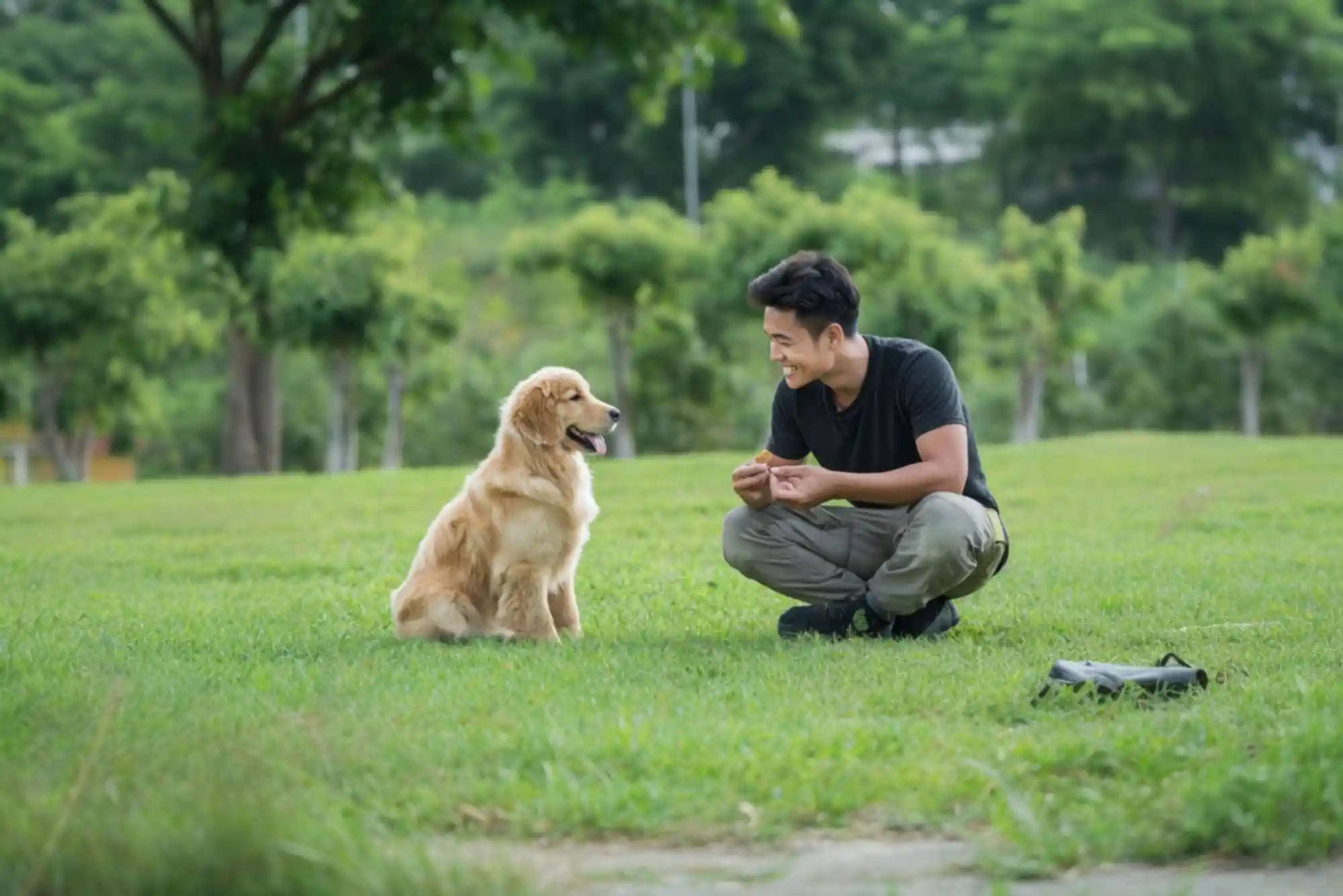
Place a few high-value treats near the entrance. If your dog approaches comfortably, gradually place treats farther inside. You can also feed meals beside the crate before moving the food bowl just inside the entrance.
Reward voluntary exploration, even if your dog only sniffs the doorway. The purpose is to help them discover that approaching the crate predicts pleasant experiences.
If your dog refuses food, backs away, or freezes, increase the distance and make the exercise easier. Fearful dogs often need more space before they can learn.
Build Confidence Through Short Sessions
Once your dog willingly approaches the crate, encourage them to place their front paws inside or step in fully. Reward each comfortable choice with praise, treats, or another reward your dog enjoys.
Keep sessions short and finish while your dog remains relaxed. Several brief, successful sessions are usually more useful than one long session that ends in distress.
Avoid luring your dog deep inside and then surprising them by closing the door. Predictability is important, especially for dogs who are sensitive to confinement.
Teach Your Dog to Relax Inside
When your dog enters comfortably, offer a treat or chew while they remain inside with the door open. Let them leave whenever they wish.
Gradually reward calm behaviors such as sitting, lying down, resting their head, or quietly chewing. You can introduce a cue such as “crate” once entering has become a positive, familiar behavior.
Do not expect your dog to sleep inside immediately. A dog who can enter voluntarily and relax for a short period is making meaningful progress.
Introduce the Door Gradually
Only begin door practice when your dog is comfortable entering and remaining inside voluntarily. Move the door slightly, reward calm behavior, and open it again.
Next, close the door for a second or two, then reopen it before your dog becomes worried. Increase the duration in small increments, changing only one aspect of the exercise at a time.
Watch your dog’s body language. If they stop eating, become rigid, pant excessively, whine persistently, or try to escape, the exercise may be too difficult.
Return to an easier step rather than waiting for your dog to stop reacting. A quiet dog is not necessarily a relaxed dog, and stillness can sometimes indicate fear.
Practice While Staying Nearby
Once your dog tolerates brief door closures, sit beside the crate and engage in a quiet activity. Reward calm behavior without constantly exciting your dog with attention.
Gradually stand up, move a short distance away, and return. Practice ordinary movements such as walking across the room or briefly leaving the dog’s view.
Keep these exercises below your dog’s anxiety threshold. If your dog becomes distressed when you stand up, practice that movement separately before increasing the distance.
Build Tolerance for Brief Absences
If your dog remains comfortable when you move around the room, practice very short absences. Step away briefly, return calmly, and reward relaxed behavior.
Increase the duration only when your dog can handle the current level without signs of distress. There is no universal schedule; some dogs progress quickly, while others need a much slower approach.
For dogs with separation anxiety, crate training and being left alone should be treated as separate skills. If your dog panics as soon as you disappear, work on gradual separation exercises outside the crate with professional support rather than using longer confinement sessions to force adaptation.
Managing Separation Fears and Phobias During Crate Training
Crate training an older rescue dog becomes more challenging when separation fears and phobias are involved. The key is to recognize what triggers the fear and adjust the environment before expecting your dog to make progress.
Use Positive Reinforcement and Counterconditioning
Positive reinforcement rewards behaviors you want to encourage. Counterconditioning helps change your dog’s emotional response to something frightening by pairing it with a positive experience.
For example, if your dog becomes nervous when the crate door moves, practice moving it slightly while offering a treat. If the sound alone causes fear, work at a greater distance or with a quieter movement.
Keep the exposure mild enough that your dog can remain comfortable. Repeatedly exposing a frightened dog to something overwhelming can intensify fear rather than resolve it.
Reduce Noise and Environmental Triggers
If thunderstorms, fireworks, or neighborhood noise frighten your dog, choose a quieter training location. White noise, closed curtains, and a comfortable resting area may help reduce stimulation.
However, avoid covering the crate completely if your dog feels trapped or overheats. The objective is to reduce frightening distractions without restricting airflow or making escape feel impossible.
Use a Camera to Understand Your Dog’s Behavior
A pet camera can help you observe what happens when you briefly leave the room. Look for changes in posture, pacing, vocalization, breathing, and interest in food.
Video can also help distinguish confinement distress from separation-related distress. If your dog relaxes outside the crate but panics inside it, confinement may be the main trigger. If distress occurs whenever you leave, even without a crate, separation-related anxiety may require targeted treatment.
Common Crate Training Mistakes to Avoid
Never Use the Crate as Punishment
Sending your dog into the crate after destructive behavior or scolding them for barking can make the space feel threatening. Keep the crate associated with rest, comfort, and rewarding experiences.
If your dog makes a mistake, address the underlying cause instead of using confinement as a consequence.
Do Not Force Your Dog to Stay Inside
Closing the door for long periods before your dog is ready can create a negative association. A dog that bites crate bars, scratches frantically, or throws their body against the door is not learning to relax.
If your dog shows signs of panic, stop the exercise safely and reassess your plan. Never leave a dog to struggle in the hope that exhaustion will eventually produce calm behavior.
Avoid Progressing Too Quickly
A common mistake is increasing crate time because the dog managed one successful session. However, a dog who stays inside for two minutes while you sit nearby may not yet be ready for two minutes alone.
Change one variable at a time, whether that means door movement, distance, duration, or departure cues. Return to an easier step whenever your dog shows discomfort.
Do Not Ignore Medical or Age-Related Needs
Older dogs may experience arthritis, hearing or vision changes, urinary problems, or other conditions that affect their comfort. Difficulty settling down is not always behavioral.
Arrange a veterinary examination if your dog suddenly develops anxiety, has trouble entering the crate, becomes restless at night, or shows a significant change in toileting habits. Appropriate treatment can make training more comfortable.
When to Seek Professional Help
Some dogs need more support than a home training routine can provide. Contact your veterinarian if your dog displays severe separation anxiety, repeated escape attempts, self-injury, persistent distress, or an inability to settle when alone.
A veterinary behaviorist or qualified, force-free separation anxiety professional can develop a plan suited to your dog’s triggers and learning history. In some cases, medication prescribed by a veterinarian can help reduce anxiety enough for behavior modification to become more effective.
Until your dog can remain safely alone, consider a trusted pet sitter, family member, or other suitable care arrangement. A dog-proofed room or exercise pen may be a better temporary option than a crate.
Remember that choosing not to use a crate is not a training failure. The priority is your dog’s safety and emotional well-being.
Help Your Rescue Dog Feel Safe, One Step at a Time
Crate training an older rescue dog with separation fears and phobias is a gradual process built on trust. By choosing suitable equipment, introducing the crate gently, rewarding voluntary entry, and increasing confinement time only when your dog feels comfortable, you can help create a positive resting space.
Progress may be uneven, and some dogs will need more time or professional support. Avoid punishment, forced confinement, and unrealistic expectations. If your dog experiences genuine separation anxiety, address that condition directly rather than relying on the crate as a cure.
FAQs
Can you crate train an older rescue dog with separation anxiety?
Yes, some older rescue dogs can learn to enjoy a crate, but the approach depends on their individual fears. Introduce the crate gradually and reward voluntary entry. If your dog panics when left alone or confined, seek professional guidance because crate training alone will not treat separation anxiety.
How long does it take to crate train an older rescue dog?
Crate training may take several days or several weeks, while fearful dogs may need considerably longer. Progress depends on the dog’s history, temperament, and comfort level. Move forward only when your dog remains relaxed at the current stage.
Should I leave my rescue dog to cry in the crate?
Do not automatically ignore crying, particularly when your dog has a history of fear or separation distress. Check whether your dog needs a toilet break, feels uncomfortable, or is showing signs of panic. Persistent distress means you should make the exercise easier rather than forcing your dog to endure it.
What is the best crate for a dog with separation anxiety?
There is no single best crate for every anxious dog. Choose a well-ventilated crate that allows comfortable movement and suits your dog’s size and preferences. Some dogs prefer wire crates, while others feel more comfortable in plastic-sided models. If confinement triggers panic, a safe room or exercise pen may be more appropriate.
Can crate training make separation anxiety worse?
Yes, it can worsen distress when a dog already feels trapped or panics when separated from their owner. A crate may be useful for a dog who already feels safe inside it, but it is not a universal solution. Severe anxiety requires a tailored behavior plan and, when appropriate, veterinary treatment.
How do I calm my rescue dog when I leave the house?
Begin with very brief separations that do not trigger anxiety, and gradually increase the duration as your dog becomes comfortable. Keep departures predictable, provide suitable enrichment, and avoid leaving your dog alone longer than they can tolerate during training. Seek professional advice if the dog panics even during short absences.
Should an older rescue dog sleep in a crate at night?
An older rescue dog can sleep in a crate if they feel comfortable, can rest safely, and have suitable opportunities for toilet breaks. Introduce nighttime crating gradually, with the crate initially near your sleeping area if that helps your dog settle. If your dog becomes distressed or has difficulty resting, consider a comfortable dog bed in a safe room instead.