Introduction
Rescue dogs often need extra time to feel safe after entering a new home. Changes in people, routines, sounds, and surroundings can create uncertainty. For some dogs, being left alone becomes especially difficult.
Signs of Separation Anxiety in Rescue Dogs: Proven Calming and Desensitization Routine is important for owners who notice distress whenever they leave. A dog may bark, pace, destroy objects, or attempt to escape. These behaviors are not always caused by poor training.
Separation anxiety is an emotional response to being separated from an attachment figure. Rescue dogs may experience it because of previous abandonment, repeated home changes, or stressful experiences. However, a dog’s history alone cannot confirm separation anxiety.
The good news is that many dogs can improve with patient behavior modification. A predictable routine, gradual alone-time training, and appropriate enrichment can make departures easier.
Understanding Separation Anxiety in Rescue Dogs
Separation anxiety occurs when a dog experiences significant distress during separation. The distress may begin before the owner actually leaves.
Some dogs react when their person picks up keys or puts on shoes. Others remain calm until the door closes. The response can vary considerably between individual dogs.

Rescue dogs may be particularly sensitive to changes in routine. Their previous experiences may influence how they respond to being alone. Still, not every rescue dog develops separation anxiety.
A sudden behavior change also deserves attention. Pain, illness, noise sensitivity, urinary problems, and other conditions can produce similar behaviors. Therefore, professional veterinary advice is appropriate when symptoms appear suddenly.
Common Signs of Separation Anxiety in Rescue Dogs
Recognizing the pattern is the first step toward helping your dog. The most useful clue is whether the behavior happens specifically around separation.
Excessive Barking or Howling
Some dogs vocalize soon after their owner leaves. The barking may continue for several minutes or much longer.
Neighbors may notice the behavior before the owner does. A home camera can help reveal what happens after departure.
Pacing and Restlessness
A distressed dog may repeatedly walk between doors, windows, and other areas. Constant movement can indicate difficulty settling.
The dog might also pant, drool, whine, or repeatedly change positions. These signs become more meaningful when they occur only during separation.
Destructive Behavior
Chewing doors, window frames, furniture, or personal belongings can occur during anxious episodes. Some dogs focus on exit points.
This behavior should not automatically be interpreted as revenge. A distressed dog may be trying to escape or regulate intense emotional arousal.
Escape Attempts
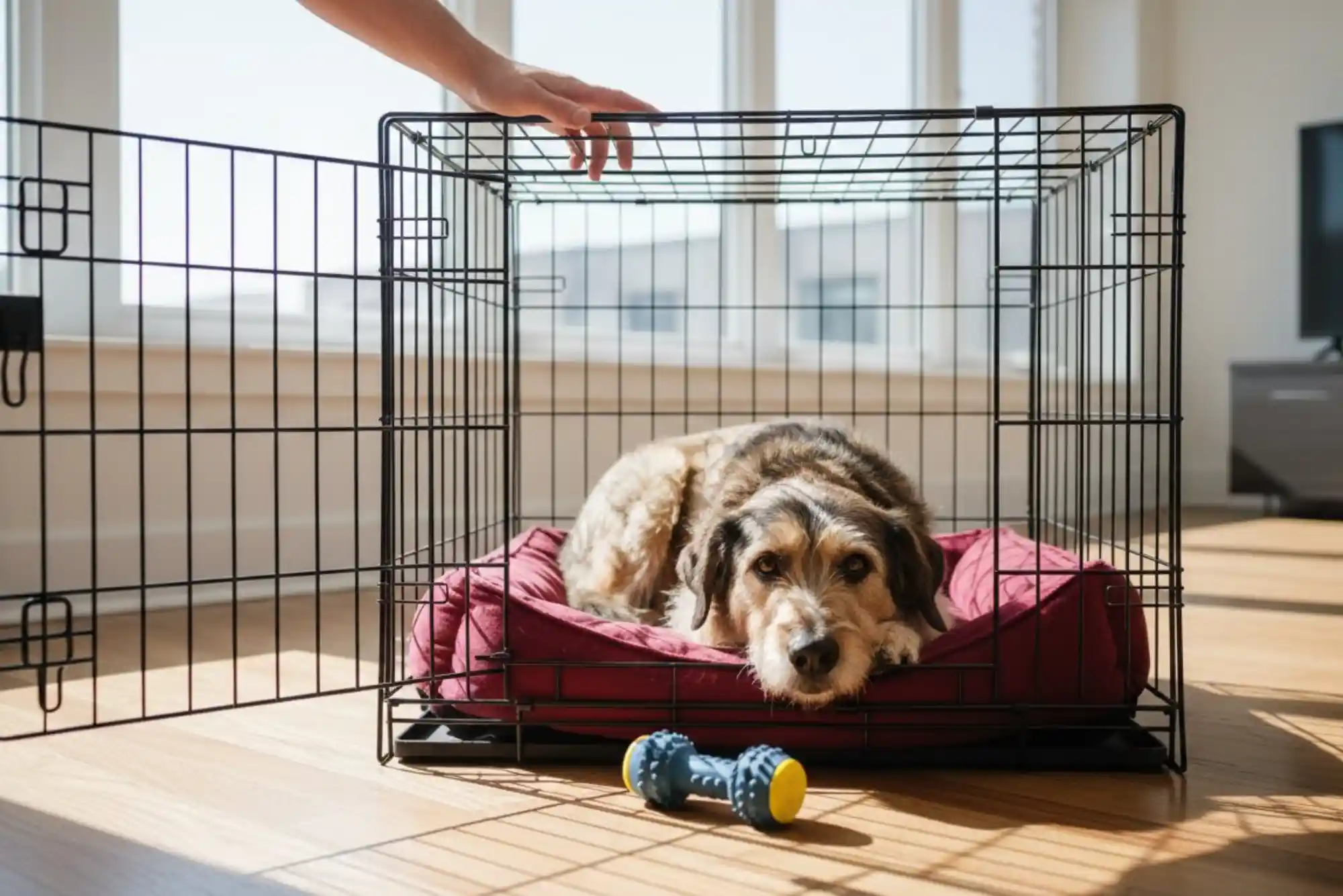
Some dogs scratch doors, push through barriers, or attempt to escape crates. These attempts can cause broken nails, damaged teeth, or other injuries.
For this reason, confinement should never be used without considering the individual dog’s response. A crate can provide security for some dogs but increase distress for others.
Indoor Toileting
A previously house-trained dog may urinate or defecate when left alone. This can happen despite appropriate toilet habits.
However, medical causes should be considered, especially when the change is new. Your veterinarian can help rule out physical problems.
Excessive Greeting Behavior
Some dogs become extremely excited when their person returns. Jumping, whining, pacing, and frantic following may occur.
A dramatic greeting alone does not prove separation anxiety. It becomes more relevant when combined with clear distress during absences.
How to Confirm the Pattern
Before beginning a training routine, observe your dog carefully. A small camera can provide valuable information.
Record the first 30 minutes after leaving. Look for pacing, vocalization, scratching, panting, inability to settle, or attempts to escape.
Also observe what happens before departure. Does your dog become anxious when you pick up your bag? Does your dog follow you constantly?
Keep notes about departure duration and behavior. This creates a useful baseline for measuring progress.
Why Punishment Can Make the Problem Worse
Punishing destruction or accidents after returning home is unlikely to teach the desired behavior. Dogs generally cannot connect delayed punishment with the earlier event.
Instead, punishment may increase fear around departures and arrivals. It can also damage trust between the dog and owner.
A calmer approach focuses on preventing overwhelming episodes. The goal is to teach the dog that being alone is safe and temporary.
Creating a Calming Routine
A predictable daily routine can help reduce uncertainty. Try to keep meals, walks, rest, and training reasonably consistent.
Before leaving, provide appropriate physical and mental activity. A relaxed dog may find it easier to settle.
However, exercise should not become an attempt to exhaust the dog into submission. The underlying emotional response still needs to be addressed.
Create a comfortable resting area where your dog voluntarily relaxes. Include familiar bedding and safe enrichment.
Keep departures calm and uneventful. Avoid turning every goodbye into an emotional event.
The Desensitization Routine
Desensitization means gradually exposing a dog to a trigger at an intensity it can handle. With separation anxiety, the trigger is often being left alone.
Start with very short absences. For some dogs, this might mean simply stepping behind an interior door.
Return before your dog becomes distressed. Then repeat the exercise several times when your dog remains relaxed.
Gradually increase the duration only when your dog is consistently comfortable. Progress may involve seconds at first, rather than minutes.
For example, you might practice stepping away for a few seconds. Later, you can briefly leave the room. Eventually, you can practice going outside.
The exact pace should depend on the dog’s behavior. If anxiety appears, reduce the duration during the next session.
Practice Departure Cues Separately
Dogs can learn that keys, shoes, bags, and jackets predict separation. These signals may trigger anxiety before departure.
You can practice these cues without actually leaving. Pick up your keys and sit down. Put on your shoes and continue normal activities.
Repeat these exercises until the cues become less meaningful. This process can help reduce anticipatory anxiety.
Keep sessions short and relaxed. The goal is to separate departure signals from actual isolation.
Use Positive Reinforcement
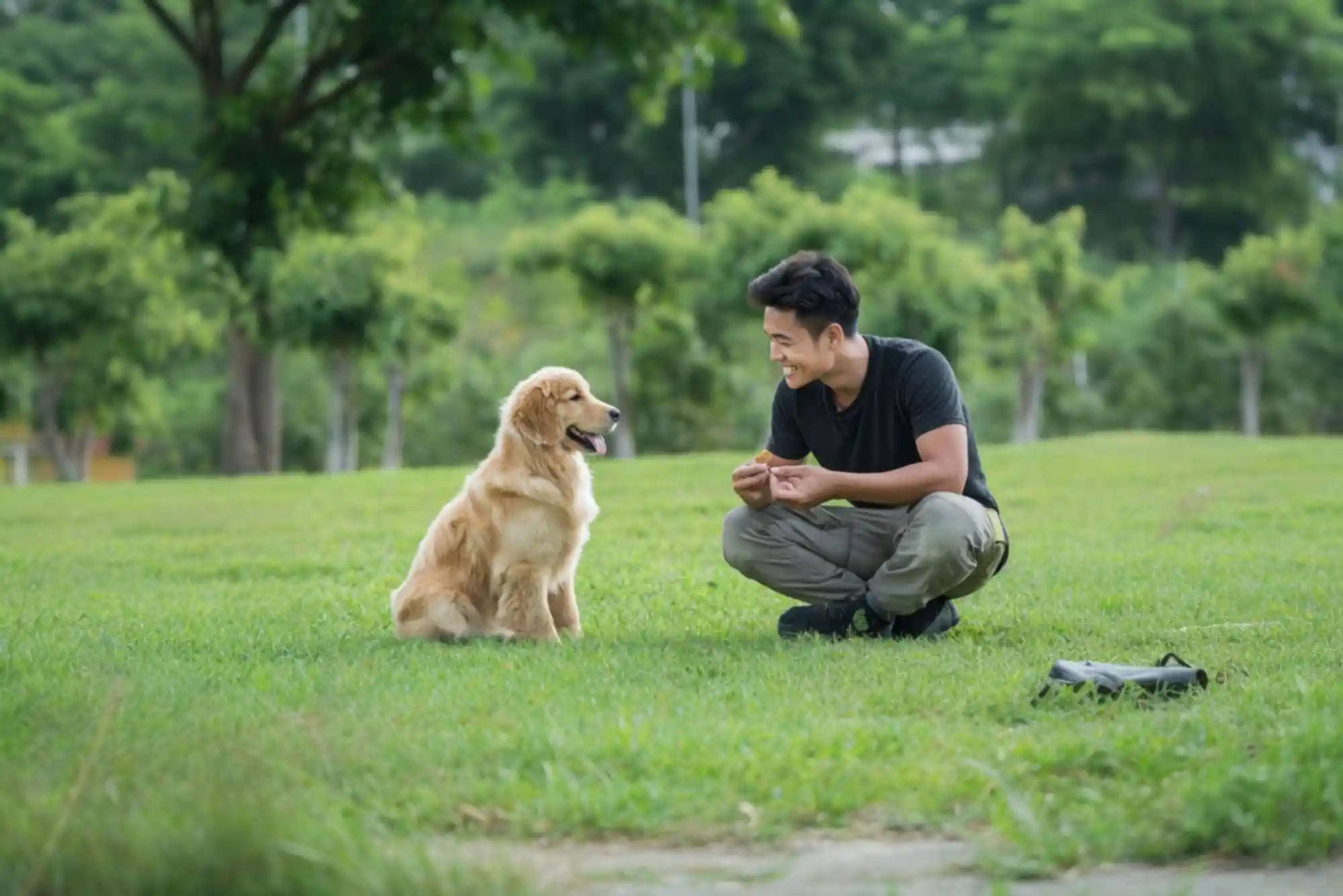
Reward calm behavior whenever you see it. If your dog relaxes independently, quietly reinforce that behavior.
You can use treats, praise, toys, or access to preferred enrichment. Choose rewards your dog genuinely values.
Avoid constantly demanding attention. Independent relaxation is an important skill for dogs struggling with separation.
A useful goal is to teach your dog that calm behavior can produce positive outcomes. Over time, relaxation can become easier and more natural.
Enrichment During Alone Time
Safe enrichment can provide an appropriate activity during short absences. Food puzzles, stuffed toys, and long-lasting chews may help some dogs settle.
Introduce enrichment while you are home first. Make sure your dog can use it safely without supervision.
Some highly anxious dogs will ignore food when their owner leaves. That response can itself provide useful information.
If your dog refuses a normally favorite treat during separation, the anxiety may be too intense. In that situation, shorter training absences may be necessary.
What If Your Rescue Dog Relapses?
Progress is rarely perfectly linear. A dog may improve and then struggle after a change in routine.
Moving house, travel, illness, visitors, schedule changes, or frightening events can affect behavior. A temporary setback does not mean training has failed.
Return to an easier step. Rebuild successful experiences before increasing the duration again.
Patience is especially important with rescue dogs. Building emotional security can take time.
When Professional Help Is Needed
Professional support is important when a dog shows severe distress. Escape attempts, self-injury, prolonged panic, or extreme vocalization require careful management.
Start by consulting your veterinarian. They can check for medical conditions that might contribute to the behavior.
A qualified veterinary behaviorist or experienced behavior professional can then develop an individualized plan.
In some cases, medication may be considered alongside behavior modification. Medication decisions should always come from a veterinarian.
How Long Does Separation Anxiety Training Take?
There is no universal timeline. Some dogs show improvement within weeks, while others require several months.
The starting point matters. A dog that panics after ten seconds needs a different plan from one that manages thirty minutes comfortably.
Consistency is more important than rushing. Increasing alone time too quickly can cause repeated distress and slow progress.
Track small improvements instead. Your dog might recover faster, settle sooner, or tolerate a slightly longer absence.
Those changes can indicate meaningful progress.
Frequently Asked Questions
How do you stop separation anxiety in a rescue dog?
Begin by identifying the dog’s separation threshold. Then practice short absences that remain below that threshold.
Gradually increase duration while rewarding calm behavior. Veterinary guidance is recommended for severe cases.
How do I know if my rescue dog has separation anxiety?
Look for a consistent pattern of distress when the dog is left alone. Common signs include vocalization, pacing, destruction, escape attempts, and toileting.
A camera can help identify behaviors that occur after you leave. Your veterinarian can also help rule out medical explanations.
Should I ignore my dog with separation anxiety?
Ignoring the dog is not a complete treatment strategy. The focus should be gradual training that changes the dog’s emotional response to separation.
Calm departures and arrivals can be helpful. However, severe anxiety requires a structured behavior plan.
Does crate training help separation anxiety?
Crate training can help dogs that already view the crate as a safe resting place. However, it can worsen distress in dogs that panic when confined.
Never assume a crate automatically solves separation problems. Monitor your dog’s response carefully.
Can separation anxiety be cured?
Many dogs can improve substantially with appropriate management and behavior modification. However, progress varies between individuals.
Long-term success often depends on gradual training, consistency, environmental management, and professional support when necessary.
Conclusion
Signs of Separation Anxiety in Rescue Dogs: Proven Calming and Desensitization Routine can help owners understand distress without blaming the dog. Rescue dogs need patience, predictability, and carefully controlled experiences.