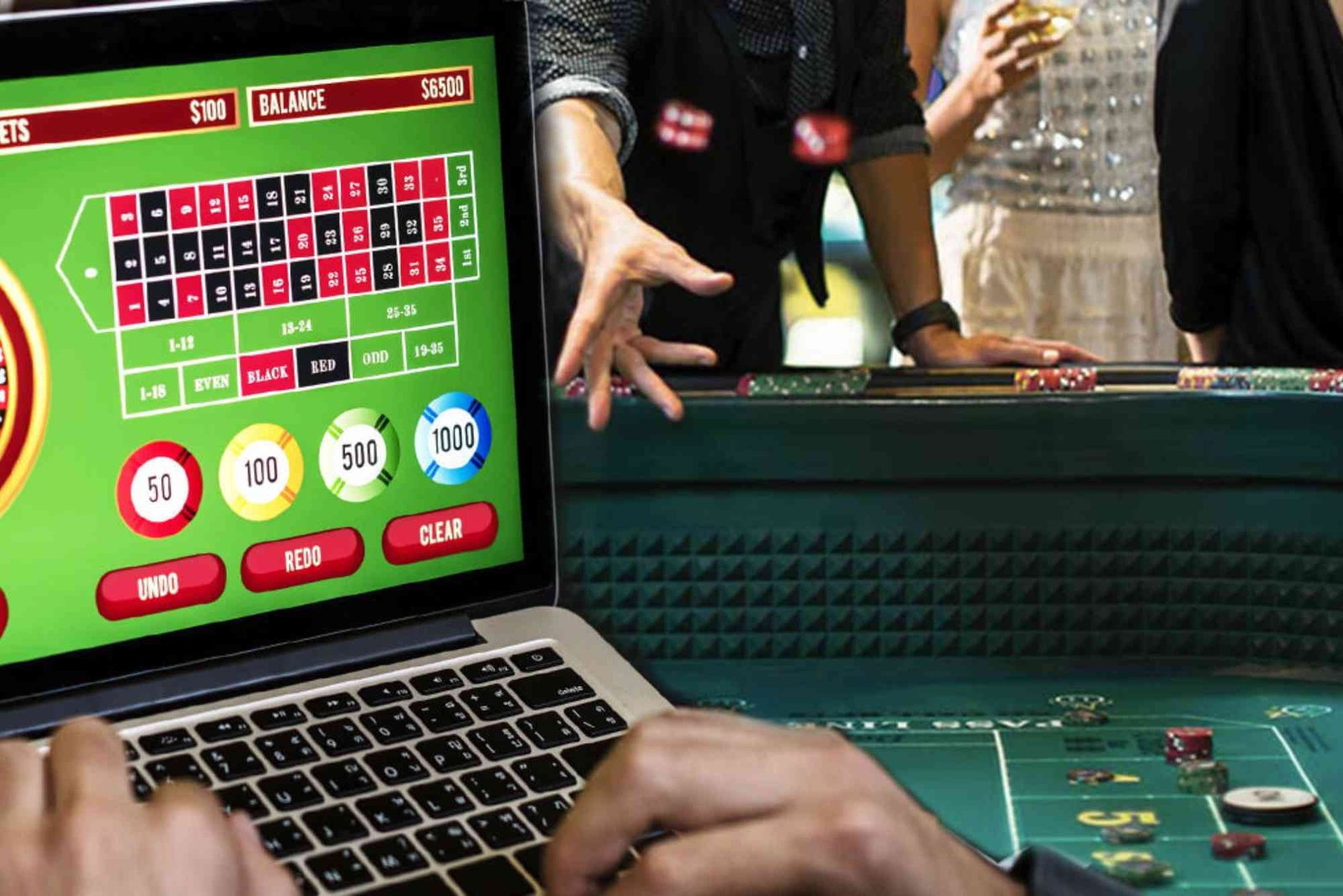
If you’ve ever walked into a casino and felt almost magnetically pulled toward a certain section, that’s not an accident. The layout of casino floors is meticulously designed to guide players, encourage longer stays, and maximize both comfort and spending. Casinos don’t leave these details to chance — they invest in years of research, psychology, and strategic planning to make every square foot work toward their goals.
Having observed and studied the industry, I’ve learned that casino floor plans combine a mix of architecture, interior design, and behavioral science. It’s not just about aesthetics; it’s about carefully shaping how people move, what they see, and how long they stay.
The Psychology of Flow and Movement
One of the first principles casinos consider is player movement, often referred to as “the flow.” The idea is to make navigation intuitive while subtly encouraging players to pass by as many games as possible. Paths are rarely straight; instead, casinos use winding routes, circular layouts, and strategically placed attractions to keep players exploring.
The entrances are usually designed to provide an immediate sense of excitement. Flashing lights from slot machines, the sound of jackpots, and the buzz of activity create an atmosphere that draws players deeper inside. Interestingly, essentials like restrooms and restaurants are often placed further into the casino. This ensures that players must pass rows of games, sometimes stopping to play along the way, before reaching their intended destination.
Players accustomed to modern digital platforms — such as those who explore best no KYC casinos — already recognize the importance of seamless design. Just like a well-structured online site keeps users engaged, a carefully planned casino floor channels player attention without them even realizing it.
Slot Machines: The Core of Traffic Design
Slot machines generate a significant portion of casino revenue, and their placement is far from random. Casinos often use clusters or “carousels” of slots to form small hubs of activity. High-traffic areas like near entrances, walkways, or close to entertainment venues usually feature attention-grabbing slots with bright displays and popular themes.
In contrast, less prominent areas may house niche or high-denomination slots that cater to experienced players who prefer quieter environments. By varying the placement of slot machines, casinos cater to different player types while ensuring the energy of the floor remains consistent.
Slot placement also plays into what’s known as “illusion of control.” Machines placed in visible areas with regular winners create the impression of frequent payouts, subtly encouraging nearby players to try their luck.
Table Games and Social Energy
Table games such as blackjack, roulette, and poker tend to draw crowds, and casinos use this energy to their advantage. These games are often placed toward the center of the floor or in visible spaces where passersby can watch the excitement unfold.
The placement isn’t just about accessibility; it’s about creating an aura of social interaction. People are naturally drawn to areas where groups gather and cheer. Even players who don’t initially plan to join a table might find themselves lured in after watching others play for a few minutes.
Casinos also design transitions between table game zones and slot machine clusters to create a rhythm on the floor. This balance prevents any one area from feeling stagnant and ensures that players continuously encounter new opportunities to play.
Lighting, Sound, and Atmosphere
Beyond physical placement, lighting and sound play crucial roles in shaping player behavior. Bright, dynamic lighting highlights certain areas, while softer tones are used to create relaxation zones where players might stay longer. Casinos often avoid clocks and windows, ensuring that players lose track of time and remain immersed in the environment.
Sound design is equally deliberate. The constant hum of machines, the occasional jackpot jingle, and upbeat background music all create a sense of anticipation. Subtle shifts in tempo and tone are often used to influence pacing — slower, calming music in restaurants versus lively beats on the floor.
Encouraging Extended Stays
The longer a player stays, the more likely they are to spend money. Floor plans are designed with this in mind. Comfortable seating areas, accessible food courts, and convenient drink service keep players on-site longer. Some casinos even design “escape routes” — quiet hallways or lounges — to help players recharge without leaving the property entirely.
Retail shops, entertainment venues, and hotels connected to casino floors further extend the customer journey. By weaving in these amenities, casinos transform a gaming visit into an all-day or multi-day experience.
Navigational Cues and Anchors
To prevent players from feeling lost, casinos use “anchors” — large visual or entertainment features that serve as landmarks. This might include a grand chandelier, a stage for live performances, or even a themed attraction. Anchors give players reference points so they can navigate without confusion, while still keeping them within the loop of activity.
Wayfinding is subtle, often blending signs with décor to maintain immersion. Unlike airports, where signs are bold and utilitarian, casino directions are crafted to keep the magic alive while still guiding visitors effectively.
Lessons from Online Gaming Platforms
Interestingly, many of these design strategies parallel what’s happening in the online gambling world. Just as floor plans are meant to maximize player traffic in physical spaces, online platforms use intuitive navigation, pop-ups, and featured games to keep users engaged.
Casinos have learned from both worlds: digital platforms influence physical design and vice versa. The goal remains the same — to maximize engagement, sustain player excitement, and encourage longer sessions.
Looking Ahead: The Future of Casino Design
As technology advances, casino floor plans are evolving. Some properties now integrate digital elements directly into the space, such as interactive screens or app-connected features that guide players toward promotions. Hybrid experiences — where players can engage in both physical and online games simultaneously — are becoming more common.
Future designs may also place greater emphasis on social and experiential areas, responding to younger generations who value entertainment and community as much as gambling itself. Casinos are no longer just gaming halls; they’re immersive entertainment ecosystems, and the floor plan is the blueprint for that experience.
Conclusion
Casino floor plans are far more than architectural blueprints. They are carefully orchestrated strategies designed to maximize traffic, encourage play, and sustain excitement. From the placement of slot machines to the lighting, sound, and flow of movement, every element contributes to the bigger picture of keeping players engaged.
The genius of these designs is that players rarely notice the invisible hand guiding their journey. They simply feel the energy, the convenience, and the pull to keep exploring. And that’s exactly how casinos ensure their floors remain vibrant, profitable, and unforgettable.